

Games are changing. People no longer want slow, scripted experiences. They want things to happen right now: real-time battles, live events, open worlds that keep happening even when they are not around.
Quick responses, constant updates, and spaces keep players interested. This type of instant action is what makes today’s games feel alive.
Live Experiences Define Modern Gaming
Real-time events are now an integral part of the gaming experience. Players want things that happen right now. They’re attracted to games that feel alive when they log in, where the content changes, moves, and surprises them. That’s the new baseline. If nothing’s going on live, the game starts to feel empty.
Just look at Fortnite. It’s no longer just a shooter. Players jump in for live concerts, limited-time modes, and map changes that happen while they’re online. These events are responsible for generating millions of dollars at once. The message is clear: players want to be a part of something as it’s happening.
Expectations have shifted in online casino games, too, especially on crypto platforms. A recent guide curated by Escapist Magazine, which ranks the best Bitcoin live casinos, highlights what sites stand out because they’re fast, private, and simple to use. People play with live dealers on real-time streams, and payouts are processed instantly. It’s clean and quick, which is exactly what players want.
We’re seeing this in other games as well. Apex Legends, for example, drops events that are short-term and alter the landscape of the maps or add new threats. You can’t prepare for it; you react in real time. That’s what keeps players invested. The more a game feels like it’s happening now, the more it gets played.
Micro-Interactions Keep Players Involved
Small reactions in games are essential. A sound, a flash, or a little shake can make things feel more real.
In many games, picking up an item or landing a hit provides instant feedback. It could be a short chime or short animation. It’s nothing dramatic, but it feels right. That’s what keeps people engaged, not big effects, just small cues that show the game is paying attention.
Mobile games rely on this even more. Swipes, taps, and drag motions feel better when the response is fast and sharp. If the controls lag or feel sluggish, players tend to abandon the game. Good feedback makes short play sessions feel more satisfying!
Multiplayer Games Feel Like Real Places
Multiplayer games aren’t just matches anymore. They’re spaces where people meet, trade, build, or hang out. Players expect systems to work in real-time, with tools that enable them to create the desired experience.
Some games feature a system that allows players to create content, host events, or trade items. That type of freedom keeps people engaged for an extended period. Other games change based on the players’ actions. A change in weather or other unexpected occurrences may occur during a session. These changes keep things fresh, and the game world feels active.
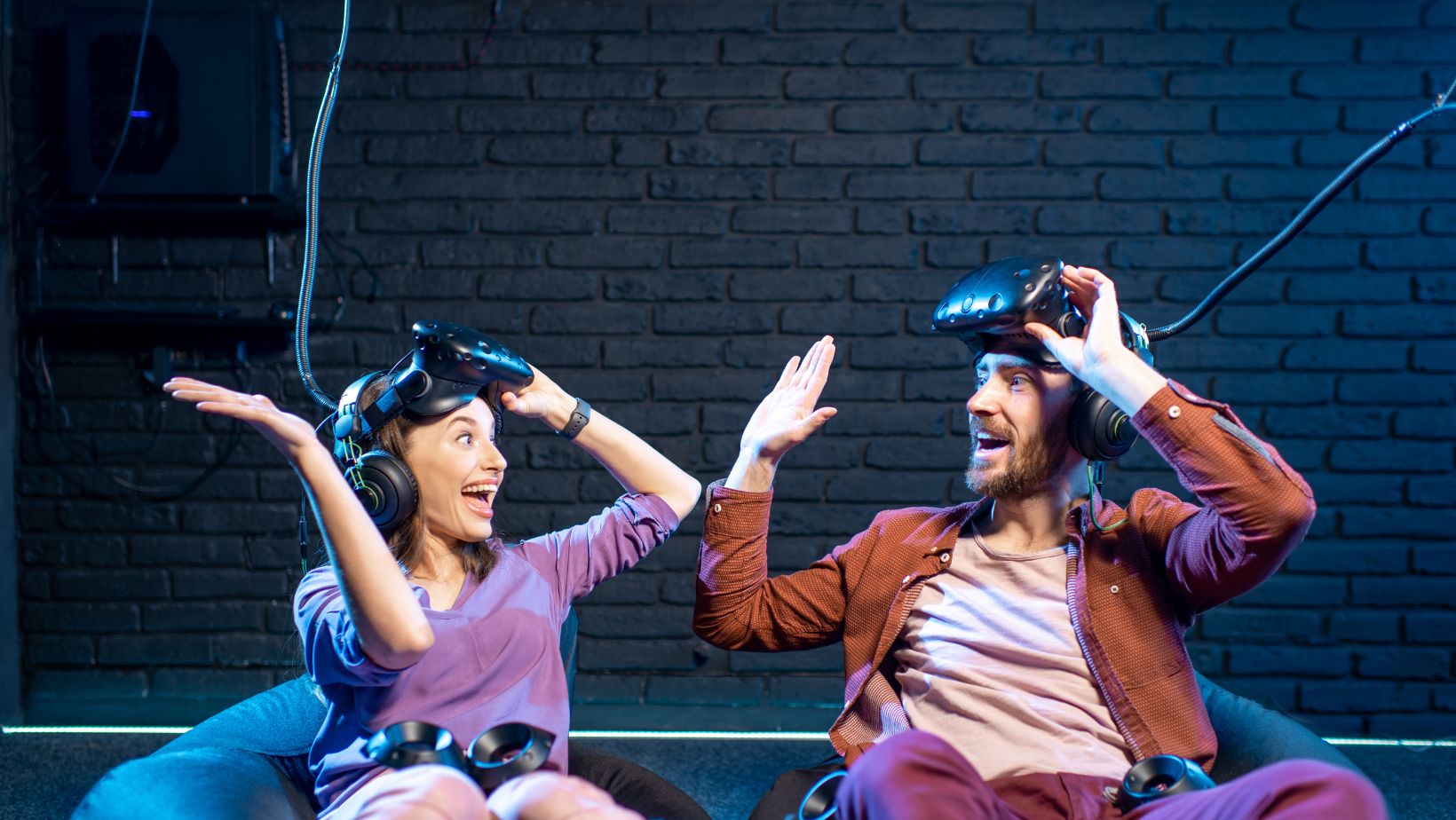
Keeping these spaces safe is also essential. To help with this, chat filters and reporting tools are built in from the outset. When games are perceived as fair and safe, more people tend to stay.
Players Want Control While They Play
Players want to make choices that matter. If the game just plays on its own without players’ input, they lose interest. They want to alter the narrative, change the game, and react in real-time.
Even solo games use this idea. Some allow you to choose how characters respond, or we can decide how powers function. These choices make each playthrough different. People return because they want to see new things.
Real-time features are also part of improved access. Subtitles, hints, and difficulty can change while you play, no menus, no restarting. It makes games easier to enjoy.
Real-Time Truly Feels Alive
Quick feedback, shared events, and live worlds give players something to care about. That changes the way people play and makes them want to come back. The more responsive the game is, the more the player wants to stay. This is the new standard. Players expect games to move with them, not wait for them!
More Stories
Where to Find the Best Dark Horror Crypto Casino Games
Spin Into the Action: How Animation Makes Online Slots More Entertaining
Gaming by Prynthoria Kryvak: Inside The Stream, Signature Style, And Best Plays (2026 Guide)