
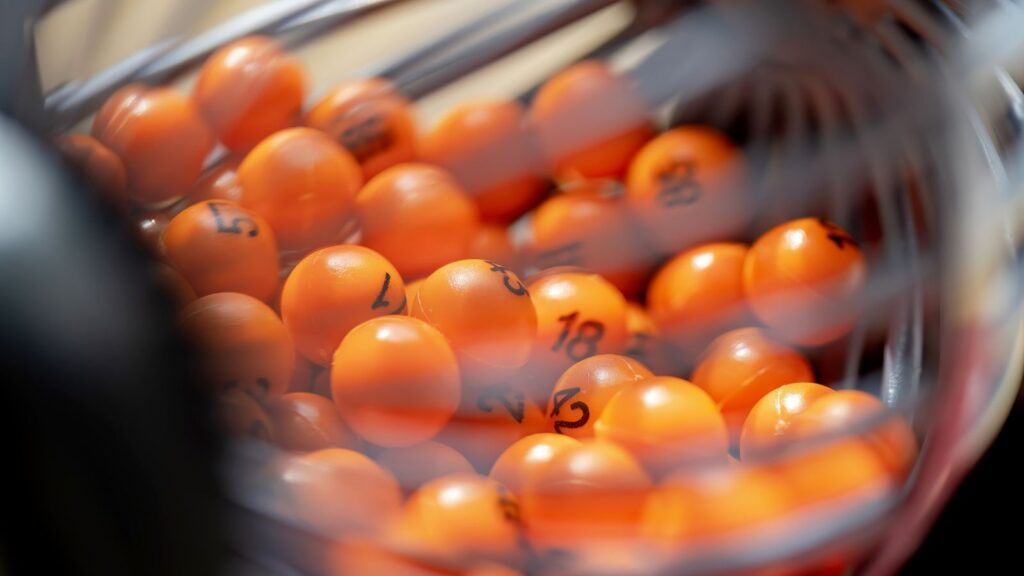
Lotto draw machines are built to mix numbered balls in a way that is fair and unpredictable; this means that the outcome of every game is based on chance, not skill. These mechanics may appear simple on screen, but they are built to strict technical standards; their purpose is to give every ball an equal chance of selection. These machines operate in controlled rooms where lighting, temperature, and access are carefully managed to protect the unpredictability of play. This keeps conditions stable and allows the draw to be observed and recorded to make sure that there is no preference for any one ball or selection of balls.
The design of these machines focuses on consistency and visibility; clear chambers allow the mixing process to be seen at all times. This visibility supports trust in the result, although digital systems now display the numbers, many draws still rely on physical machines to perform the selection. The machines act as the centre of the draw process, even when results are shared online.
How the Mixing System Works
Most Lotto machines use air pressure to move the balls inside a sealed chamber; jets of air push the balls around in constant motion until one enters a selection tube. The airflow is set to avoid favouring any single ball, all of which are the same weight, keeping the movement even across the chamber and removing the risk of repeated patterns.
Some systems use mechanical mixing instead of air; these rely on rotating arms or paddles to move the balls before release, and both methods aim to produce the same result. Each ball should behave the same during mixing; its motion must remain unpredictable while remaining within the tested limits.
The speed of mixing is carefully controlled; too much force could damage the balls or cause irregular motion, and too little force could allow patterns to form. Engineers adjust settings to keep movement balanced and steady, which helps protect fairness during every draw and is vital to the Lotto’s integrity.
Ball Design
The balls used in Lotto draws are made to match exactly in size and weight. This reduces the risk of uneven movement inside the machine. Materials are selected to minimise wear and surface degradation over time, and each ball is marked with a clear number that remains visible under bright studio lighting.
Balls are checked and weighed before use. They are also replaced on a regular schedule, which helps prevent small changes that could affect their motion. Even tiny differences can matter when air or mechanical systems are used.
Storage is also controlled, and these balls are kept in sealed cases when not in use, which prevents dirt, moisture, or damage from affecting their surface.
Testing and Calibration
Before each game’s draw, the machine is tested to confirm correct operation. Trial mixes are run to check air flow or mechanical movement, and staff inspect both the machine and the balls for faults or damage; any issue must be fixed before the draw can take place.
Calibration tools measure air pressure and motor speed, which help to keep the system within approved limits. Records are kept of each test and adjustment, which creates a trail that can be reviewed if questions arise later.
Regular maintenance is also part of the process, as engineers check moving parts for wear and replace components when needed. This prevents small faults from becoming larger problems during live draws.
Cameras and Monitoring Equipment
Cameras record the mixing process from several angles, which allows viewers to see the balls moving inside the chamber before selection. Importantly, the footage can be reviewed later, which supports public trust in the system.
Lighting systems are placed to remove shadows and glare, helping numbers to stay visible throughout the draw. A clear presentation allows viewers to follow the process without confusion.
Monitoring screens show system status during the draw; these screens help staff confirm that air flow, movement, and timing remain within set limits. Alerts appear if any part of the system moves outside its normal range.
Security and Controlled Access
Access to draw machines is restricted to authorised staff in order to protect the security of the Lotto and entry systems log when equipment is opened or adjusted. These records help show who handled the machine and when.
The machines are stored in secure areas between each draw. Doors and cases are sealed and checked before each session, which protects against the risk of interference and protects the equipment.
Security devices protect both the machines and the results. These controls support the integrity of the process and reduce the risk of tampering, and strong access control helps maintain confidence in the draw.
The Role of Human Oversight
Although the machines perform the mixing, people still play an important role. Trained staff prepare the equipment and oversee the draw process as they follow set procedures that guide each step of setup and testing.
Independent observers may also be present to watch the process and confirm that rules are followed. This adds another layer of trust to the system.
Clear roles help prevent mistakes as each person involved knows their task and when to act, which supports accuracy and order during live draws.
Physical Machines in a Digital System
Even as Lotto gameplay moves online, physical mixing machines remain vital to conducting many draws as they provide a visible method of number selection that players can understand. Digital platforms show the result, but the selection often still happens through real equipment.
This link between physical draws and digital display helps maintain confidence in the outcome. It shows that the draw is not only a software process, but that the machines provide a clear point at which chance is applied.
Digital systems then take over to share results, sending numbers to servers that update websites, apps, and point-of-sale terminals. The physical and digital components work together as one system.
Why Physical Mixing Still Matters
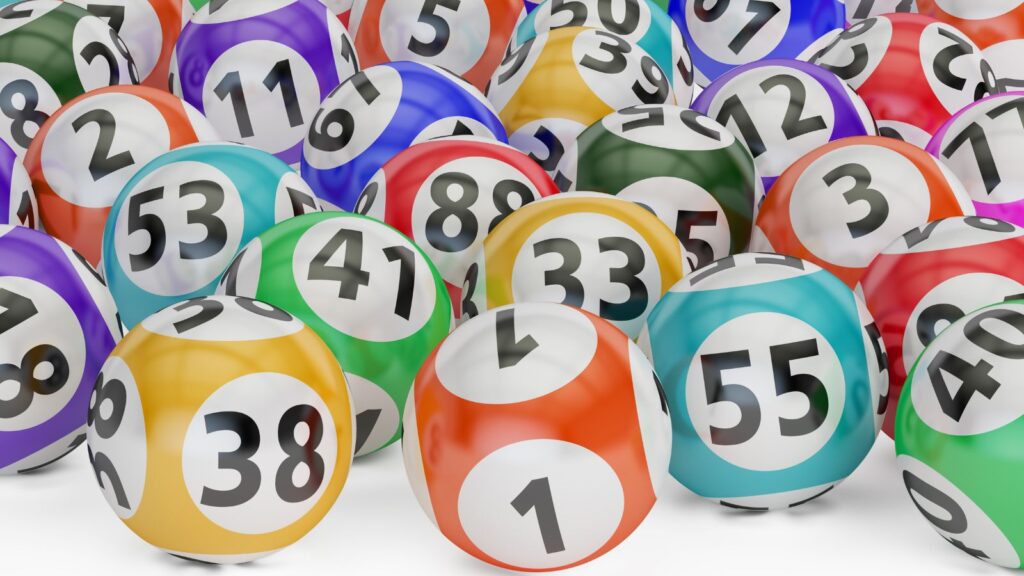
Some players prefer knowing that real balls are used, physical mixing feels familiar and easy to picture. This format also allows the draw to be filmed and shown live.
Physical machines can be inspected and tested in visible ways, which makes the process easier to explain to the public. It also helps show that no single person controls the outcome. For these reasons, physical mixing remains part of many draw systems, which supports openness and shared understanding.
Simple Purpose, Precise Engineering
The aim of a Lotto mixing machine is very simple: it must mix the balls evenly and select one at random. To achieve this, the machine uses careful design, regular testing, and constant monitoring. Engineers focus on balance, motion, and durability, as each part must work smoothly with the others and any small changes in pressure or speed can affect movement.
Although the draw appears quick, the equipment behind it follows strict routines. Each part plays a role in keeping the process fair and clear. The machines do not decide outcomes. They only provide the space where chance can operate.
A System Built Around Trust
Lotto draw machines sit at the centre of a system built on trust, and without players trusting the system, they would stop playing. Their role is to support a process that is visible, testable, and recordable, in which cameras, sensors, and security devices all link back to this core task.
Players rarely see these machines up close; most only see the final numbers on a screen. Behind that view sits a network of tools and checks designed to protect the draw.
The machines that mix Lotto balls show how simple actions rely on careful design. Ultimately, the lottery draws appear to happen in seconds, but their preparation takes much longer.
There is also tight regulation and guidance about playing Lotto from the Gambling Commission.
More Stories
Active Hellcase Promo Code: Full List
Stake.com Code – Verified & Working
The Geekiest Sports Betting Opportunities You’re Probably Overlooking Right Now