
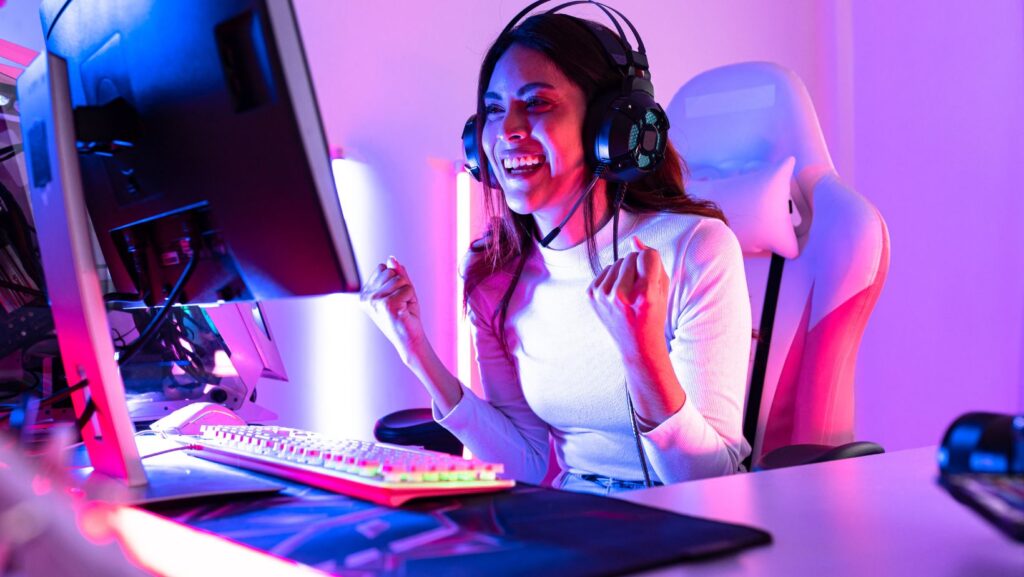
It’s no longer just about playing the game – modern video games have become complex financial systems where you can buy, sell, and trade goods with other players. Prices go up and down, things are scarce, and it works as the real world does. For some, spending time or money playing games is an investment strategy because their assets could increase in value over time. This blend of playing games while making money has created vibrant digital economies where things are always happening, even when you are not there.
Skin Gambling as an Example
A striking example of this trend is CS2 skin gambling, where players trade or wager rare in-game skins. This practice highlights how digital assets can hold tangible value. Some platforms supporting these activities go even further by integrating advanced features like provable fairness, allowing users to verify each game through cryptographic hash seeds. Such systems ensure trust and transparency, making digital economies more credible and appealing to a broader audience. The combination of collectible items and verified gameplay shows how gaming can intersect with financial principles.
Key Features of In-Game Economies
In-game economies are not just about buying and selling items. Developers increasingly leverage tokenization, creating digital assets tied to blockchain networks. Players can use these tokens for multiple purposes:
- Trading or auctioning rare items
- Participating in virtual tournaments
- Exchanging for cryptocurrency or real-world goods
This tokenization gives players ownership and liquidity, enabling them to treat gaming achievements as tangible investments. It also encourages long-term engagement, as players are motivated to grow their collections and explore market opportunities.
The Role of Player Ownership and Digital Identity

A major evolution taking place in the world of gaming is the rise of player ownership. In the past, skins, characters, and other digital assets were seen as nothing more than something to unlock – now they’re viewed as both a personal expression of one’s individuality and a collection of items that can grow in value over time. As a result, playing games is becoming an economic activity for many gamers. This has led to new strategies and ways of thinking about what they do every day: it’s not just about being creative or competing with others.
Why This Matters for Gamers and Investors
Games used to be products that people bought to play. Now they are services that let players create value as well as enjoy themselves. In other words, gaming has become an economy.
Players can now trade in games, invest in them, and even set up their own businesses. This has created new opportunities for game makers to make money from their products. It has also led to partnerships with other companies and technological innovations such as tokenized marketplaces. One example of this is gambling: players can gamble on virtual items such as skins for characters or guns.
With gaming economies, decisions are both strategic and financial. Whether you’re trading, gambling, or investing, each move has consequences – some good, some bad. So as gaming keeps evolving into a real marketplace, both players and investors need to treat it not just as entertainment, but as an economy where understanding risk and value matters.
More Stories
Where to Find the Best Dark Horror Crypto Casino Games
Spin Into the Action: How Animation Makes Online Slots More Entertaining
Gaming by Prynthoria Kryvak: Inside The Stream, Signature Style, And Best Plays (2026 Guide)