
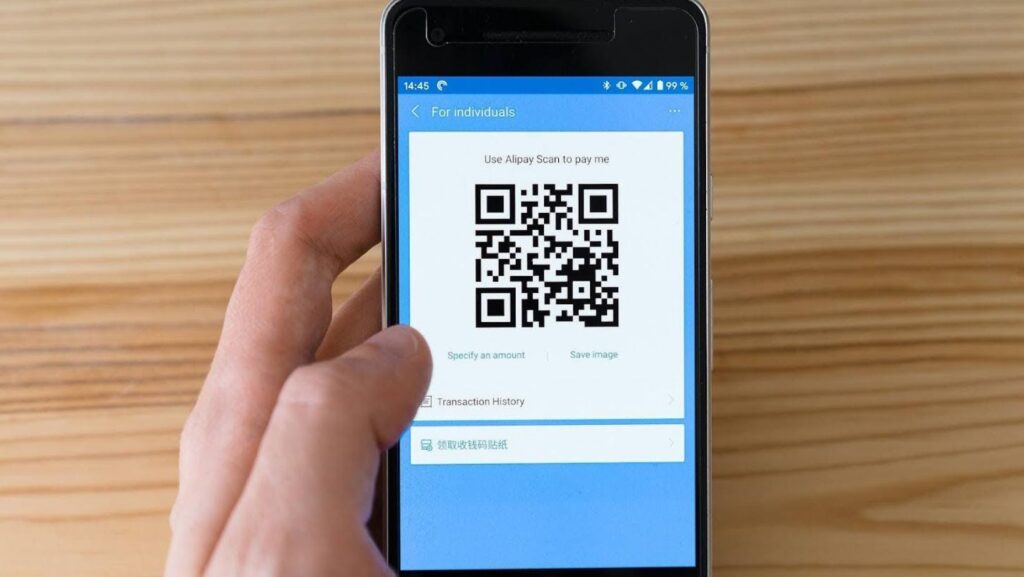
Mobile payments have quickly shifted from a simple consumer convenience to a groundbreaking evolution in how businesses function across industries, whether you’re using QR codes to complete purchases or transferring money via mobile apps. Mobile transactions have quickly become the default for many.
What does the shift toward mobile payments mean for businesses in the Midlands and the rest of the UK? Companies are adapting to meet the mobile-first generation’s expectations. The rising mobile payment trend is more than a technology upgrade. It’s revolutionising operational models and customer engagement strategies.
How are mobile payments changing the way businesses operate?
The Rise of Mobile Payments
Mobile payments have gone from niche to the norm over the past decade, with early adopters being tech-savvy consumers. Still, today’s apps like Google Wallet, Apple Pay, and PayPal are widely used in different age groups. The adoption of mobile payments initially blew up during the lockdown, when contactless solutions were necessary.
Paying via your mobile was the safer alternative to using a card or cash in the UK and around the world. By 2023, mobile wallet usage expanded to over 30% of the transactions in the UK, a figure which has only risen since. As a result, businesses started rethinking how they manage transactions.
The Boom of Online Casinos
The UK saw some strict limitations for social entertainment during the lockdown, sending punters to online platforms and online casinos. Industry expert Alex Hoffman reveals the continuous need for mobile convenience and fast transactions, as the new casinos in 2025 prioritise mobile-first experiences with exclusive mobile bonuses.
Online casinos were among the first group of businesses who capitalised the mobile payment method, but it appealed to two kinds of people: those who wanted online entertainment during a period where socialisation became impossible and those who wanted to deposit and withdraw funds in minutes using their mobile phones.
Retailers Embrace Frictionless Checkouts
Online casinos inspired many other sectors, including retailers. Mobile payments helped businesses reduce queueing times and offer flexible payment options. Independent retailers across the Midlands and the UK are integrating frictionless payments using mobile devices, including those at the Birmingham Bullring.
Retailers also integrated mobile loyalty programs, democratising payments and loyalty programs. Tools like Zettle and Square also enabled microbusinesses to accept quick and efficient payments without traditional POS systems. The shift was particularly beneficial to SMEs that wanted to scale their operations and customer service.
Restaurants and Hospitality
Mobile payments have also revolutionised how orders are taken and processed in the hospitality sector. Many restaurants, cafes, and pubs in the Midlands now enable customers to view menus, order food, and pay from their smartphones. Staff have more time to focus on other tasks, and customers have reduced wait times.
For instance, Digbeth Dining Club vendors often use mobile payment methods to handle high footfall effectively. Meanwhile, leather chains like Greene King adopted mobile payment systems to empower payments and orders from tables, improving service speed and safety. Restaurant patrons are happier to handle payments without carrying cards.
Other Professional Services
Remote workers in various professional service sectors are also using mobile payment systems to reap the benefits. Consultants, freelancers, and accountants across the UK use mobile invoicing apps like SumUp and Stripe for seamless billing or convenient and secure payment links to receive remuneration for services rendered.
Payment processing times in the UK have drastically shifted, with the ability to send payment requests and receive funds within minutes rather than days. Remote workers have particularly found the seamless payment options helpful as it shortens payment cycles and improves their cash flow, both being key factors for self-employed professionals.
Field Services and Logistics
Mobile payments have transformed how customers pay on the go, enabling industries where transactions occur outside of set locations to take payments instantly using mobile devices. Delivery, plumbing, and mobile car services removed the long-standing friction points, and technicians now accept frictionless and cardless payments and deliver digital quotes on-site.
Various West Midlands courier services now enable customers to pay with mobile devices and receive app-based delivery notifications, reducing delays and removing the need for paper invoices. Again, these mobile payment systems improve the customer experience while businesses get real-time data on performance and transactions.
Integrated Data Insights
A core aspect of mobile payment systems is that they can integrate into broader business tools. Payments aren’t isolated anymore. Instead, they’re part of a broader digital ecosystem that includes analytics, customer relationship management, and inventory management. Retailers can track stock levels and purchasing patterns in real-time.
Hospitality operators can personalise menu items to sales data, identifying the best dishes patrons love when redesigning menus. Even services can use the data insights to target repeat customers and provide personalised services and products. Other businesses can offer timely reminders for frequent purchases based on past activity.
Compliance and Security
UK businesses must ensure compliance with GDPR and PCI DSS regulations when offering mobile payment systems to protect user data and fraudulent activities. The country has strict guidelines which businesses integrate if they wish to scale. Companies process huge amounts of consumer data, and many of them now invest in reputable platforms.

The convenience of mobile payment systems is undeniable, but security remains a top priority. Fortunately, various mobile solutions offer tokenisation or biometric authentication, increasing the security layers beyond traditional card payment methods. For example, the Knomi mobile biometric authentication uses voice and face authentication to verify the user’s identity.
Future-Proofing Business
The transition to mobile payment systems is part of a larger trend toward the digital transformation of the corporate UK. Forward-thinking companies use the opportunity to reinvent outdated workflows and invest in scalable architecture. Some Midlands companies are experimenting with subscription models, loyalty apps, and even digital currencies.
Other UK businesses are focused on API integrations that connect mobile payments with enterprise resource planning and customer relationship management systems. The goal is clear in all cases: businesses must remain competitive in the new digital landscape, where speed, convenience, and personalisation have become expectations.
Conclusion
The rise in mobile payments isn’t simply a nice-to-have convenience. It has become a business imperative for any company wishing to remain competitive in the digital era. High-street shops, online casinos, and professional services are only some of the businesses embracing the new era of mobile-friendly payment systems.
Other benefits include fast and frictionless transactions, enhanced customer engagement, and improved data analytics that recreate services. Midlands businesses are adapting to mobile payments to stay current. It’s about how businesses are future-proofing their legacies and meeting the constantly evolving customer expectations in a digital-first economy.
More Stories
World Cup 2026: Four Rule Changes That Could Significantly Change the Game
Why Portable Lightbox Displays Are a Game-Changer for Marketers
Innovation and Analysis: The Rise of High-RTP Online Casinos