
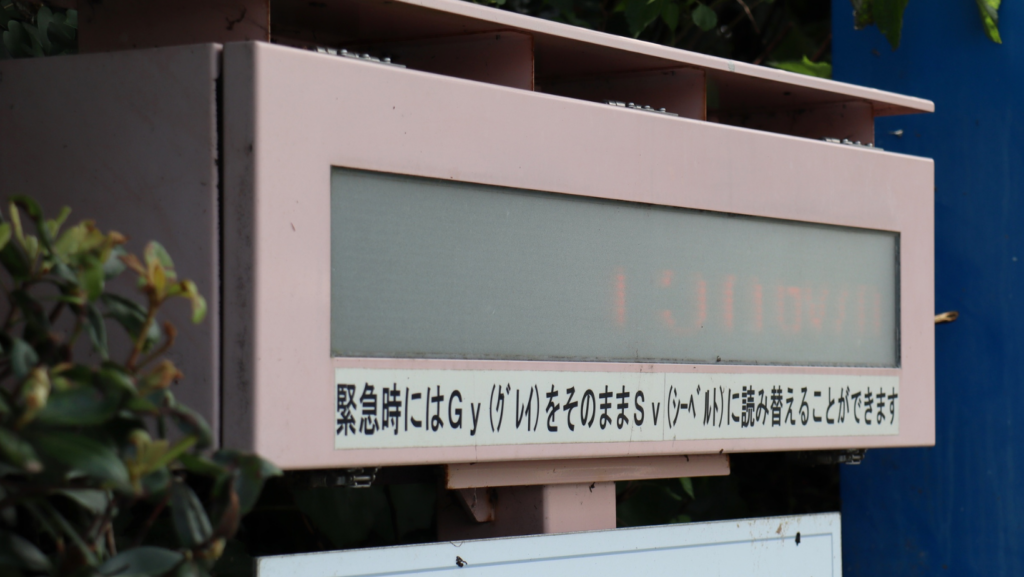
As technology advances and scientific applications expand, monitoring environmental and occupational safety has become increasingly important. One area that often raises questions and concern is radiation—an invisible force that occurs naturally and through human-made sources. While radiation plays a valuable role in medicine, research, energy, and industry, uncontrolled exposure can pose risks. This is why effective monitoring and awareness are essential in many fields today.
Having a clear understanding of radiation, how it is detected, and why monitoring matters helps individuals and organizations make informed, responsible decisions.
What Radiation Really Is
Radiation refers to energy that travels through space in the form of waves or particles. It exists naturally in the environment, coming from sources such as the sun, soil, rocks, and even certain foods. At the same time, radiation is also produced artificially through medical imaging, nuclear power generation, industrial testing, and scientific research.
Not all radiation is harmful. In fact, low levels of background radiation are part of everyday life. Problems arise when exposure levels increase beyond safe limits or when individuals are unaware of prolonged exposure in certain environments.
Why Radiation Awareness Matters
Radiation cannot be detected by human senses. You cannot see, smell, or feel it, which makes awareness and monitoring especially important. In professional settings such as hospitals, laboratories, power plants, and manufacturing facilities, radiation safety protocols are essential to protect workers and the surrounding community.
Even outside of industrial environments, radiation awareness plays a role. Emergency responders, environmental agencies, and researchers rely on monitoring tools to assess safety during incidents, evaluate contamination, or study long-term environmental impact.
Applications Across Different Sectors
Radiation monitoring is used across a wide range of industries. In healthcare, it ensures that diagnostic and treatment equipment operates within safe exposure levels. Radiologists and technicians rely on careful measurement to protect both patients and medical staff.
In industrial settings, radiation is commonly used for non-destructive testing, material inspection, and quality control. Monitoring ensures that these processes remain safe and compliant with regulations. In nuclear energy facilities, continuous monitoring is critical to maintaining operational safety and preventing hazardous exposure.
Environmental monitoring agencies also use radiation measurement tools to track background levels, investigate unusual readings, and respond to emergencies such as accidental releases or natural events.
How Radiation Is Detected
Since radiation is invisible, specialized instruments are required to measure it accurately. These instruments are designed to detect different types of radiation, such as alpha particles, beta particles, gamma rays, and X-rays. Each type behaves differently and requires specific detection methods.
A radiation detector is designed to identify the presence of radiation and measure its intensity, allowing users to assess exposure levels and determine whether conditions are safe or require action.
Importance of Accuracy and Calibration
Accurate measurement is critical when dealing with radiation. Small measurement errors can lead to incorrect conclusions about safety or risk. This is why detection instruments must be properly calibrated and maintained according to established standards.
Calibration ensures that readings remain consistent and reliable over time. In regulated industries, routine calibration is often mandatory and documented as part of compliance procedures. Regular testing and maintenance also help extend the lifespan of equipment and ensure dependable performance.
Safety, Regulations, and Compliance
Radiation use and monitoring are governed by strict regulations in most countries. These regulations define acceptable exposure limits, monitoring requirements, and response procedures. Organizations working with radiation must comply with these standards to protect workers, the public, and the environment.
Monitoring plays a key role in compliance by providing documented evidence that exposure levels remain within permissible limits. In the event of an incident, recorded data helps investigators understand what happened and implement corrective measures.

Advancements in Monitoring Technology
Modern radiation monitoring equipment has benefited from advances in digital technology. Many devices now offer real-time readings, data logging, alarms, and wireless connectivity. These features allow faster decision-making and improved situational awareness, particularly in critical environments.
Portable monitoring tools have also become more compact and user-friendly, making them accessible not only to specialists but also to field workers and emergency responders. Improved battery life and durability have further expanded their practical use.
Practical Considerations for Use
Effective radiation monitoring requires more than just having the right equipment. Users must be trained to understand readings, recognize normal versus abnormal levels, and respond appropriately. Proper placement of monitoring instruments, routine checks, and clear reporting procedures all contribute to effective safety management.
It’s also important to understand the limitations of monitoring tools. Different instruments are designed for different radiation types and intensity ranges. Selecting the right tool for the specific application ensures meaningful and accurate results.
Public Awareness and Education
Beyond professional environments, public awareness of radiation has grown due to increased access to information and global events that highlight environmental safety. Education plays a vital role in reducing fear and misinformation by helping people understand what radiation is, where it comes from, and how it is controlled.
Transparent monitoring and clear communication build trust between institutions and the public, especially in sectors such as healthcare and energy production.
Final Thoughts
Radiation is a powerful and valuable tool when used responsibly, but it requires careful oversight. Monitoring allows society to benefit from radiation-based technologies while minimizing risks to health and the environment. Through accurate measurement, proper training, and adherence to regulations, radiation-related activities can remain safe and well-managed.
As technology continues to evolve, so too will the tools and methods used for monitoring. A strong foundation of awareness and responsible practice ensures that radiation remains a controlled and beneficial part of modern life rather than a source of uncertainty or harm.
More Stories
What Is an Anonymous Proxy Server
How Esim Technology Is Shaping The Future Of Mobile Connectivity In The Us
Tech Tools for Discreet Urban Socializing